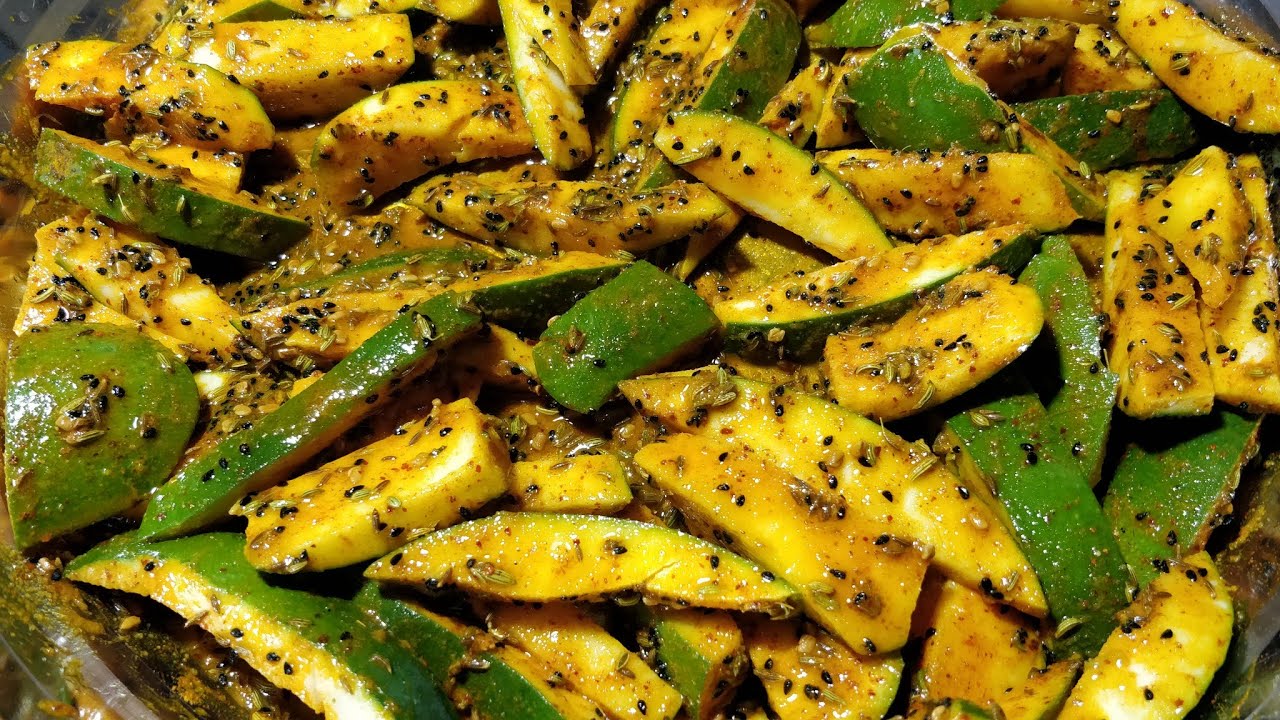
In most Indian homes, homemade achar is never introduced formally. It simply exists. A jar tucked into a kitchen corner, a spoon that always seems to know its way to the plate, a flavour that announces itself before the meal even begins. While often treated as a supporting element, achar has historically played a far more meaningful role in Indian food culture. It is a bridge between regions, seasons, health practices, and memory. To understand Indian cuisine fully, one must understand the significance of achar.
Across centuries, achar evolved not merely as a way to preserve food, but as a carefully thought-out companion to daily meals. The spices, oils, salts, and techniques used were never accidental. Each element served a purpose, whether nutritional, medicinal, or cultural.
Why Achar Holds a Permanent Place in Indian Meals
Indian meals are built around balance. There is warmth and cooling, heaviness and lightness, softness and crunch. Achar contributes sharpness, heat, and intensity, completing this balance. From a dietary perspective, its role goes beyond flavour.
Spices commonly used in achar stimulate digestion and enhance appetite. Salt encourages salivation, which marks the first stage of digestion. Oils help carry fat-soluble nutrients while also slowing digestion just enough to increase satiety. When eaten in small quantities, achar prepares the body for the meal rather than overwhelming it.
This is why traditional diets never treated achar as optional. It was especially important in meals that were otherwise simple, such as rice and dal or plain rotis. The presence of achar ensured that even minimal meals felt complete, both nutritionally and sensorially.
Homemade Achar as a Reflection of Regional Identity
One of the most fascinating aspects of achar is how deeply it reflects regional identity. While the word “achar” is common across India, what goes into the jar changes dramatically from one region to another.
In North India, achars often rely on mustard oil, bold spice blends, and sun-curing methods. Raw mango, lemon, chilli, and vegetables are common bases. These achars are robust and warming, well-suited to colder winters and heavier wheat-based diets.
Western India, particularly Gujarat and Rajasthan, brings a contrasting philosophy. Sweetness often appears alongside spice, and oil usage is carefully moderated due to the arid climate. Long shelf life and concentrated flavours are prioritised.
In the South, achars tend to be sharper and tangier. Tamarind, gooseberry, and citrus fruits are frequently used. Sesame oil replaces mustard oil, lending a nutty depth that complements rice-based meals. These achars often focus on stimulating digestion in humid climates where appetite can fluctuate.
Eastern Indian achars frequently incorporate mustard paste, fermented elements, and seasonal produce. The emphasis is on pungency and complexity rather than heat alone.
Each of these regional approaches reflects climate, agriculture, and dietary habits. Together, they form a map of India’s diversity, all contained within jars of achar.
Preservation, Seasonality, and Food Wisdom
Before refrigeration, achar was a solution to a practical problem. Seasonal abundance needed to be preserved for leaner months. Raw mangoes appeared only briefly each year. Lemons, chillies, and certain vegetables peaked at specific times. Pickling allowed these ingredients to be enjoyed long after their season passed.
But this preservation came with intelligence. Salt inhibited harmful bacteria. Oil created an airtight seal. Spices provided antimicrobial properties. Sunlight-assisted fermentation and drying. Without scientific terminology, traditional kitchens developed systems that modern food science now validates.
This is where Nani ka Pitara stands apart from industrial alternatives. Their traditional process respects time. Ingredients rest, mature, and transform gradually. There is no rush to stabilise or standardise flavour. The result is real achar that evolves naturally and remains alive in both taste and nutritional value.
Achar and Digestive Health in Everyday Diets
Indian diets are rich in lentils, grains, and vegetables, many of which are fibrous and complex to digest. Achar complements these foods beautifully. Ingredients such as asafoetida, fenugreek, mustard seeds, and chilli stimulate digestive enzymes and reduce bloating.
From a physiological standpoint, intense flavours trigger digestive readiness. The body anticipates food and responds accordingly. This explains why even a small amount of achar can transform how a meal feels afterwards.
Importantly, traditional eating practices always emphasised moderation. Achar was never meant to be consumed in large quantities. Its power lies in concentration, not volume. When respected, it supports digestion rather than challenging it.
How Achar Shapes Food Memory and Emotional Connection
Food memory in India is rarely tied to elaborate dishes alone. Often, it is the taste of a particular achar that brings back childhood lunches, summer holidays, or a grandparent’s kitchen. Achar carries emotional weight because it is deeply personal.
Recipes are passed down orally. Measurements are estimated by hand. Adjustments are made instinctively. Two jars of the same mango achar can taste entirely different depending on who made them. This individuality is central to achar’s charm.
In many households, achar-making is a communal ritual. Ingredients are chopped together. Jars are sunbathed on terraces. Daily stirring becomes a quiet routine. These processes embed achar into family life, making it as much about connection as consumption.
Achar in Contemporary Indian Lifestyles
As Indian lifestyles modernise, food habits are shifting. Packaged meals, quick snacks, and global cuisines dominate daily consumption. Yet, achar remains relevant, perhaps even more so now than before.
In a world of uniform tastes, achar offers authenticity. In diets increasingly detached from tradition, it offers grounding. A simple meal paired with a spoon of achar reconnects people to familiar flavours without demanding time-intensive cooking.
Brands that reflect this renewed appreciation for traditional foods, stay close to time-tested methods and resist over-processing, such brands help preserve culinary heritage while making it accessible to modern households.
Their approach recognises that achar does not need reinvention. It needs respect, patience, and honesty.
Why Achar Is More Than a Condiment
To describe achar as a condiment is to undersell it. It is a preserved season, a digestive aid, a regional signature, and an emotional anchor. Its role in the Indian diet is layered and intentional.
Whether it is served alongside everyday meals or brought out during special occasions, achar quietly reinforces balance. It teaches moderation through intensity. It celebrates diversity through regional variation. It honours time through slow preparation.
In understanding achar, one begins to understand Indian food itself. Not as a collection of recipes, but as a living system shaped by climate, culture, and care. And in every spoonful, there is a reminder that the simplest foods often carry the deepest wisdom.